A good water efficient garden design starts before the first plant or pipe goes in. The aim is not a dry garden, but a layout where plants need less support, water reaches the right roots, and waste is avoided from day one. With water-saving garden design, drought-tolerant planting, better soil and smart irrigation, you can reduce irrigation use of water without losing a healthy, attractive finish.
Start with zones
Lawns, sunny borders, shaded beds, hedges, pots and raised planters dry at different speeds. If they share one watering plan, some areas get too much while others struggle.
Before landscaping, map sun, shade, slopes, drainage, soil type, planting groups and pipe routes. Professional garden irrigation design helps make these choices before turf and paving make changes costly.
Choose plants that fit
Low water landscaping does not mean gravel and bare borders. Lavender, salvia, rosemary, sedum, ornamental grasses and Mediterranean-style plants add colour and structure with lower water demand once established.
Group plants by need. Put thirstier plants together for targeted drip irrigation. Use tougher planting in hot, exposed or free-draining areas. This makes sustainable garden design easier in dry spells.
Improve soil and protect it
Healthy soil stores water better. Compost helps sandy soil hold moisture and improves clay soil structure. Do this before irrigation installation, while beds are open and pipe routes are easy to plan.
Mulch is the next layer of protection. Bark, compost or gravel mulch reduces evaporation and keeps roots cooler.
Design efficient irrigation systems
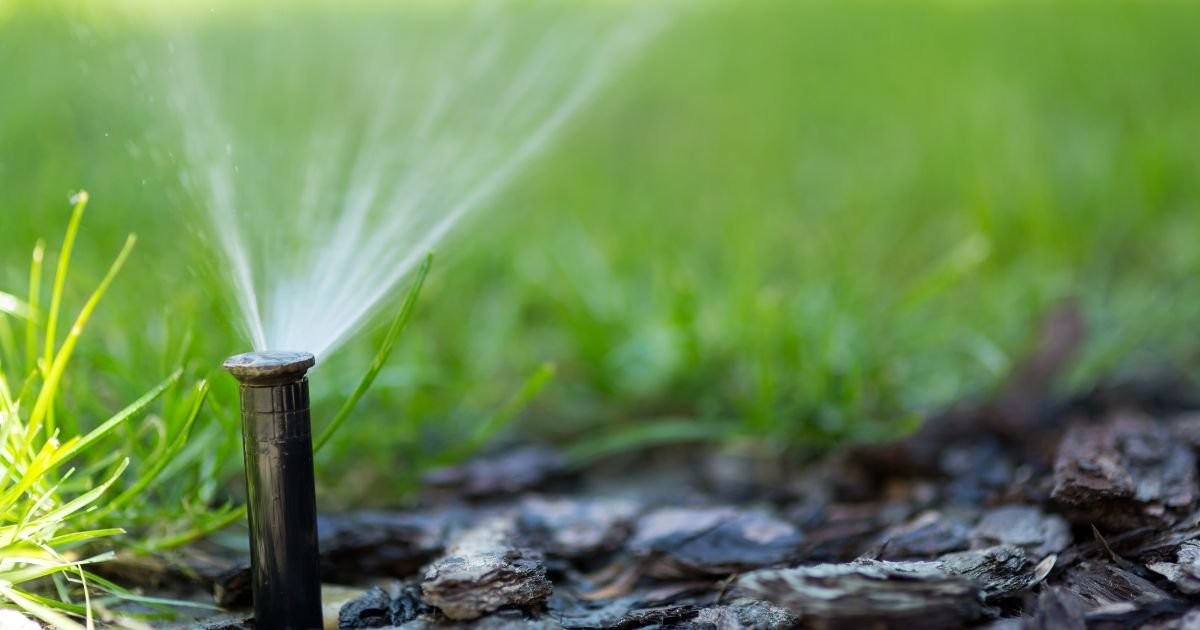
Efficient irrigation systems are built around plant needs, not just a timer. A lawn with pop-up sprinklers should not run on the same schedule as a shaded border with dripline. Pots may need short cycles; shrubs often prefer deeper, less frequent watering.
A smart irrigation system can adjust watering by weather, season and zone. Dripline, rain sensors and careful sprinkler placement reduce overspray onto paths and patios.
Use rainwater and maintain the system
Rainwater harvesting is useful for pots, new planting and dry periods. Adding rain harvesting to a new house can be a good idea but a retrofit system may not be worth the investment.
Maintenance matters too: leaks, blocked emitters and misaligned sprinklers quickly waste water. Regular garden irrigation maintenance keeps the system efficient.
Summary
Water efficient garden design is planning, not compromise. With the right layout, drought-tolerant planting, improved soil, mulch, rainwater use and smart irrigation, you can have a beautiful garden with lower water use.
Ready to design a garden that wastes less? Contact The Gardener’s Rain to request a water-efficient irrigation consultation.
FAQ
What is water efficient garden design?
Planning that reduces water demand through layout, planting, soil care and efficient irrigation.
Can a low-water garden still look lush?
Yes. Good plant choice, soil preparation and drip irrigation can create a full, healthy garden.
Is smart irrigation worth it?
Yes. It helps water each zone according to weather, season and plant need.