Want consistent watering without the hose routine? This guide shows how to create a smart irrigation system, from lawns to borders and pots. You’ll also get an answer on sensors, zones, and drip lines.
What is a smart irrigation system?
A smart irrigation system is an automatic setup that adjusts watering based on conditions, not a fixed timer. Smart controllers can use forecast data and also support local add-ons like rain or soil sensors for more accurate decisions.
How do automatic irrigation systems work?
If you’re wondering how automatic irrigation systems work, it’s a simple chain:
water source → controller → valves → zones → emitters.
The controller runs one zone at a time, opening a valve so sprinklers or dripline water that area. Zones are grouped by similar needs, like lawn vs beds.
How to create a smart irrigation system with zones and schedules
A setup works well when each zone matches plant needs and the available flow. In practice, that means early-morning watering, and shorter cycles for clay soil or sloped areas so water can soak in. Build your schedule around plant type, sun exposure, and soil drainage.
Rain sensor
How does a rain sensor work on an irrigation system? It collects rainfall and, once it hits the set threshold, it pauses the controller so the next run is skipped. As it dries out, it resets and allows watering again.
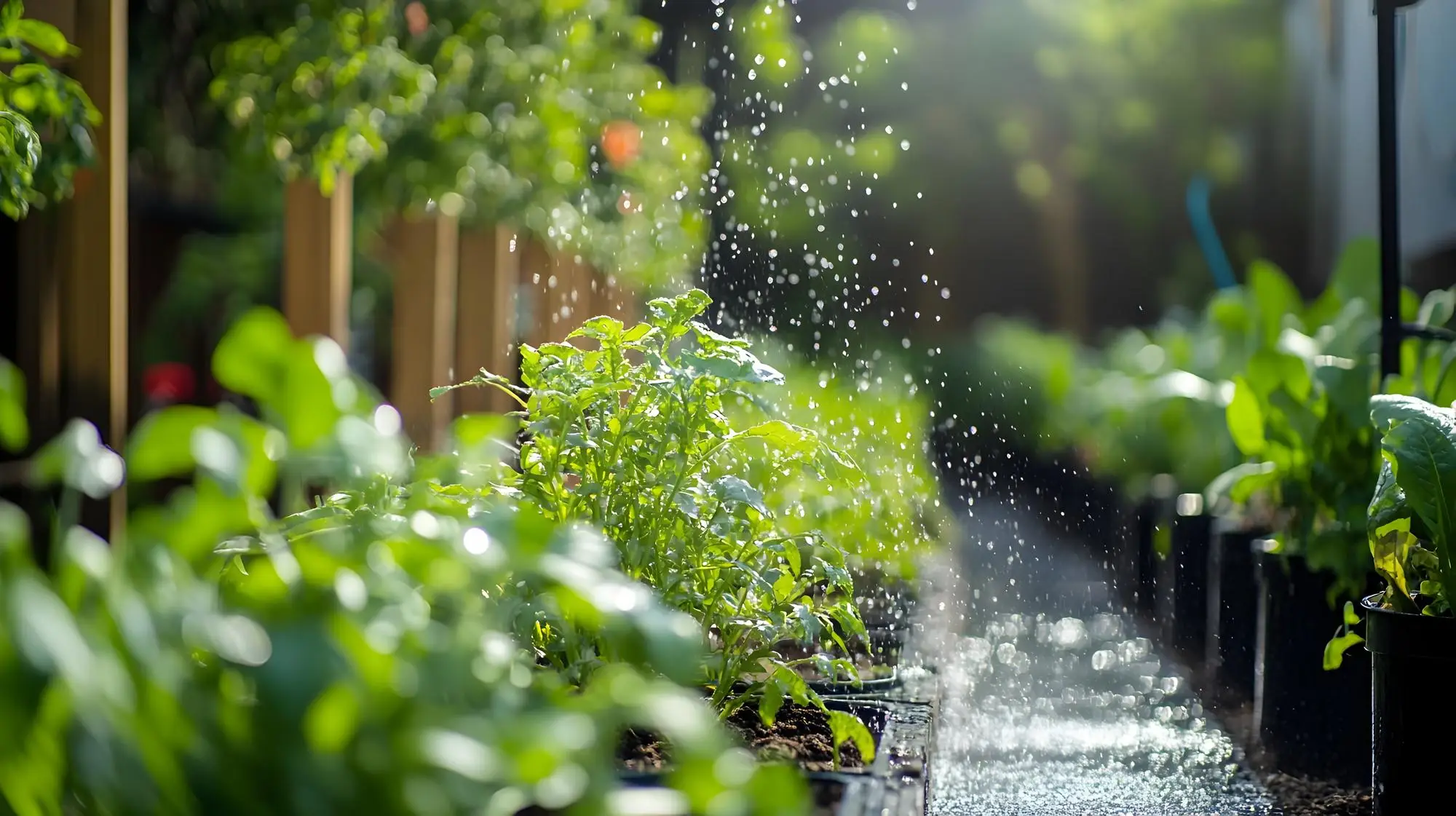
How to set up an automatic irrigation system
When planning how to set up an automatic irrigation system, start with design:
- Sketch your garden and mark sunny, shaded, and “dry corner” areas.
- Choose emitters: sprinklers for lawn, dripline for beds, micro for pots.
- Split into zones with similar requirements.
- Pick a smart controller that can handle your zones, then add a rain sensor.
- Install, test coverage, and fine-tune over the first two weeks.
We provide surveys and installation across North London, Bedfordshire, Cambridgeshire, Hertfordshire and surrounding areas.
Professional installation | Book a survey
How to install automatic drip irrigation system in beds and borders
For borders and raised beds, drip often gives the best control. How to install automatic drip irrigation system without headaches:
- Fit a filter and pressure regulator before the dripline.
- Lay dripline around plants, pin it down, then cover lightly with mulch.
- Flush the line before closing the end, then run a short test and check for leaks.
Drip is also great for grouped containers where sprinklers waste water on paving.
How to keep a smart irrigation system reliable
Smart doesn’t mean “set and forget forever”. Do a monthly walk-round for blocked emitters, split dripline, or sprinklers that spray paths. Before winter, shut the system down and drain it to reduce frost risk.
Ready for a smarter setup? Start with a survey, or book a call-out if you’ve already got a system that needs tweaking.