DIY Irrigation Problems often start small: a dry lawn patch, a leaking connector or one border staying wetter than the rest. For UK homeowners, a self-installed system can seem cost-effective, but small design errors may lead to water waste, weak growth and repair costs.
Common DIY irrigation mistakes
Many DIY garden irrigation systems fail because they are planned around convenience, not water behaviour. Typical DIY irrigation mistakes include mixing sprinklers and drip lines on one zone, using narrow pipework, placing heads too far apart or on the contrary using more emitters than the available flow, setting timers without checking soil, and skipping filters.
These choices can create dry roots, soggy soil or uneven lawn colour.
Signs your system has problems
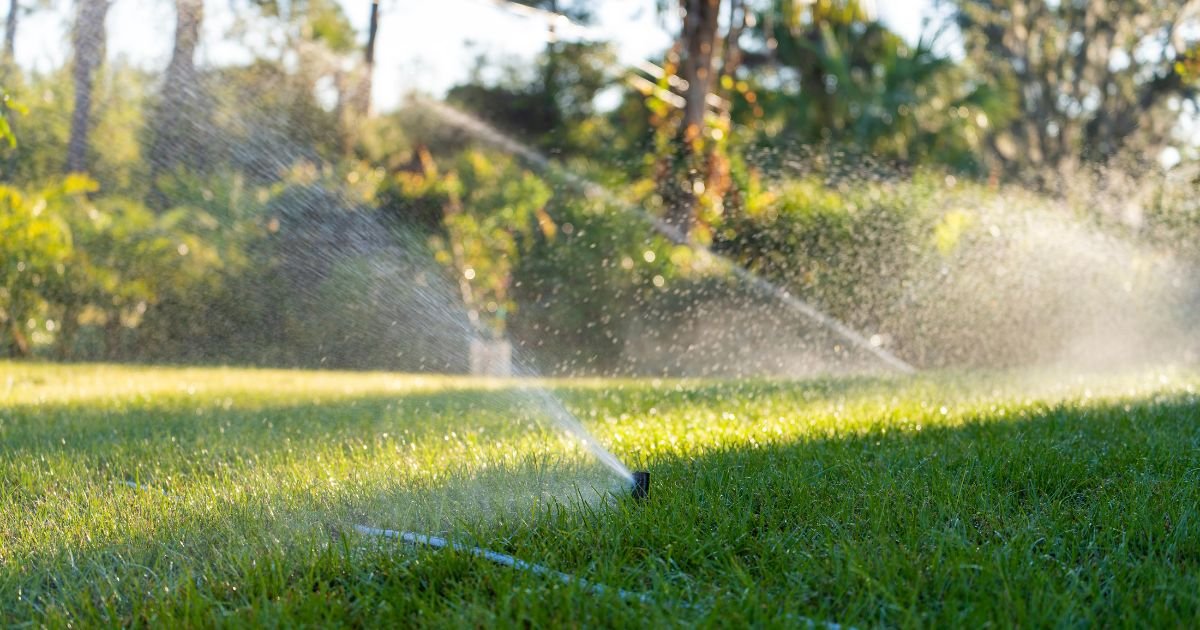
Start irrigation troubleshooting by walking the garden while the system runs. If grass is green around sprinkler heads but dry between them, spacing or pressure is likely wrong. If borders stay wet for hours, the run time may be too long. If one zone sprays well and another barely works, you may have low water pressure, a valve issue or too many outlets on one line.
Drip irrigation problems are quieter. Look for wilting plants beside wet tubing, blocked emitters, split pipe or pooling water.
Why zones and timing matter
Lawns, borders, pots and hedges rarely need the same watering schedule. Sprinklers often need shorter cycles, while drip lines work best with slower watering at root level.
When DIY becomes expensive
A cheap kit can become costly when it causes higher water bills, damaged turf, dead plants, repeated connector replacements or extra labour to redesign pipework.
A professional garden irrigation installation considers water pressure, layout, planting zones and maintenance before the system goes in.
What to check before calling a professional
Before booking help, note which zones are affected and whether the issue is constant or seasonal. Clean filters, check for leaks, straighten the kinked pipe and test each zone separately.
If problems keep returning, regular irrigation system maintenance can identify leaks, blocked heads, poor flow and seasonal damage.
Summary
DIY garden irrigation can work for simple spaces, but sprinkler system problems, drip irrigation problems and poor zoning often need expert diagnosis. If you see uneven growth, soggy patches, weak spray patterns or recurring leaks, request a professional irrigation survey.
FAQ
Why is my DIY irrigation system watering unevenly?
Usually poor sprinkler spacing, low pressure, blocked heads or too many outlets on one zone.
Why are my drip lines not watering every plant?
Common causes include blocked emitters, dirty filters, pressure loss or an overlong dripline.
When should I ask for expert irrigation troubleshooting?
If problems return after basic checks, book a professional survey.