Getting the right water pressure for irrigation system performance is one of the most important parts of a reliable garden watering setup. If the pressure is too low, sprinklers may not reach the full lawn. If it is too high, pipes, fittings and sprinkler heads can wear out faster. In both cases, your garden may receive uneven watering, leading to dry patches, wasted water and avoidable maintenance problems.
Whether you are planning a new automatic system or improving an existing one, understanding irrigation water pressure helps you make better decisions from the start.
Why Water Pressure Matters in Irrigation Systems
Water pressure controls how effectively water moves through your irrigation system. It affects:
- how far sprinkler heads spray,
- how evenly each zone is watered,
- how well drip lines deliver water,
- how much strain is placed on pipes and fittings,
- how efficiently the system uses water.
For example, a lawn sprinkler system pressure that is too weak may cause the nearest heads to work while the farthest heads barely rise. On the other hand, high water pressure irrigation can create misting, runoff and excessive wear on components.
This is why professional irrigation system installation should always consider pressure, flow rate, garden size and zone layout together.
What Should Water Pressure Be for an Irrigation System?
There is no single perfect number for every garden. As a general guide, many residential sprinkler systems operate best around moderate pressure levels, while drip irrigation usually needs lower, more controlled pressure. The ideal range depends on the type of sprinkler heads, pipe layout, number of zones and the size of your garden.
A small border with drip irrigation will not need the same pressure as a large lawn with multiple pop-up sprinklers. This is why garden irrigation system pressure should be checked as part of the design or maintenance process, not guessed.
Signs of Low Water Pressure Irrigation
Low water pressure irrigation is often easy to spot once you know what to look for. Common signs include:
- sprinkler heads not popping up fully,
- weak spray distance,
- dry areas at the edge of the lawn,
- one zone performing worse than another,
- drip lines delivering unevenly.
A practical example: if your first two sprinklers work well but the last one only dribbles, the issue may be pressure, flow, pipe sizing or a blocked component. In these cases, professional lirrigation system maintenance can help identify the real cause before plants suffer.
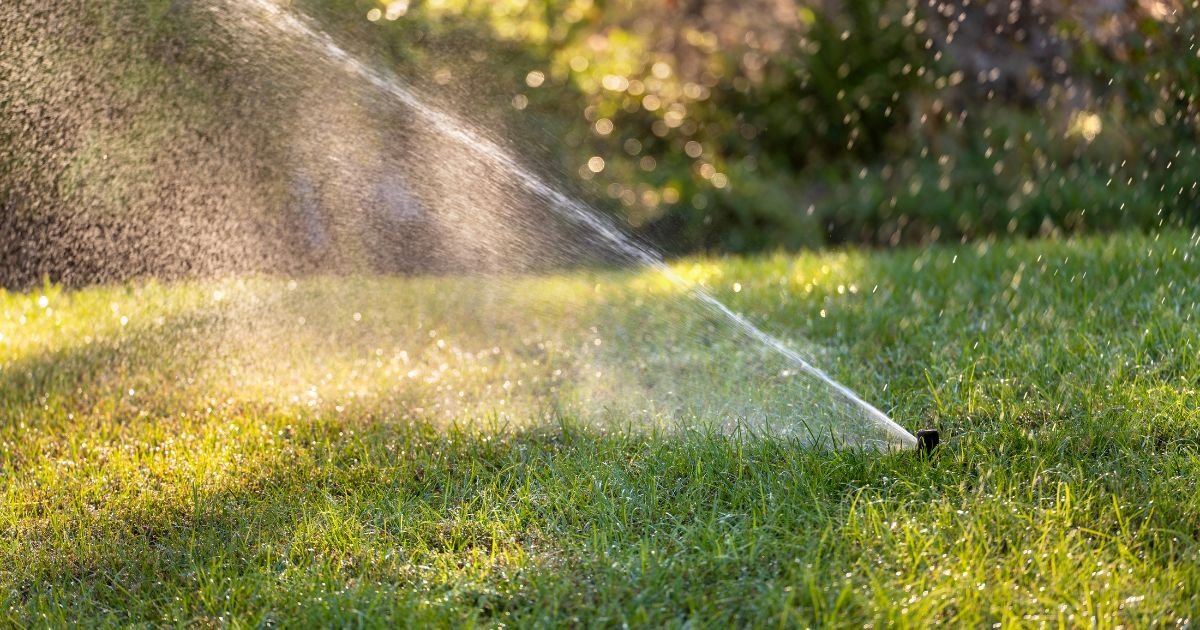
Problems Caused by High Water Pressure Irrigation
High pressure is not always better. In fact, too much pressure can reduce efficiency. Sprinklers may produce fine mist instead of proper droplets, meaning more water is lost to wind and evaporation. It can also lead to:
- leaking joints,
- damaged sprinkler heads,
- noisy valves,
- burst fittings,
- overwatering near the sprinkler,
- higher water bills.
If your system looks powerful but the lawn still has uneven colour, high pressure could be part of the problem. A well-designed sprinkler system should deliver controlled, even coverage – not simply the strongest spray possible.
How Professionals Check Irrigation Water Pressure
An irrigation specialist will usually look at both pressure and flow. Pressure shows the force of the water, while flow shows how much water is available. Both matter.
During a survey, the system may be checked zone by zone. The technician can review sprinkler spacing, valve performance, pipe layout, leaks, filters and pressure regulation. This gives a clearer picture than simply testing an outdoor tap once.
When Should You Ask for Expert Help?
You should consider an irrigation survey if your garden has dry patches, soggy areas, weak sprinklers, frequent leaks or a system that no longer performs as it should. It is also wise to check pressure before installing a new automatic watering system.
The Gardener’s Rain provides professional garden irrigation services including installation, maintenance, repairs and aftercare. If you want better coverage and fewer surprises, a pressure and performance check is a smart first step.
Summary
Correct water pressure for an irrigation system helps your garden receive the right amount of water in the right places. Too little pressure can cause weak coverage and dry patches. Too much pressure can waste water and damage system parts. The best solution depends on your garden, zones, sprinkler type and system design.
Need help checking your irrigation water pressure? Contact The Gardener’s Rain to request an irrigation system survey or expert advice.
FAQ
Why is water pressure important in irrigation?
Water pressure affects spray distance, coverage, system efficiency and the lifespan of pipes, valves and sprinkler heads.
What should water pressure be for an irrigation system?
It depends on the system type. Sprinklers usually need moderate pressure, while drip irrigation often needs lower regulated pressure. A professional survey can confirm the right range.
Can low water pressure damage my garden?
Yes. Low pressure can lead to uneven watering, dry patches and stressed plants, especially in larger lawns or multi-zone systems.
Is high water pressure bad for sprinkler systems?
Yes. High pressure can cause misting, leaks, damaged fittings and water waste. It may also shorten the life of sprinkler components.
How do I know if my irrigation system pressure is wrong?
Look for weak spray, misting, leaks, noisy valves, dry spots or uneven plant growth. These are common signs that the system needs checking.