Finding the best irrigation method for clay soil is not about watering more often. In many UK gardens, heavy clay holds moisture for a long time but absorbs water slowly. That means quick, frequent watering can leave puddles on the surface while roots still receive uneven moisture. The better approach is controlled, low-intensity watering that gives water time to soak in.
For homeowners, landscapers and garden owners, the right clay soil irrigation system can reduce waste, protect plants and make garden care far easier.
Why clay soil needs a different watering strategy
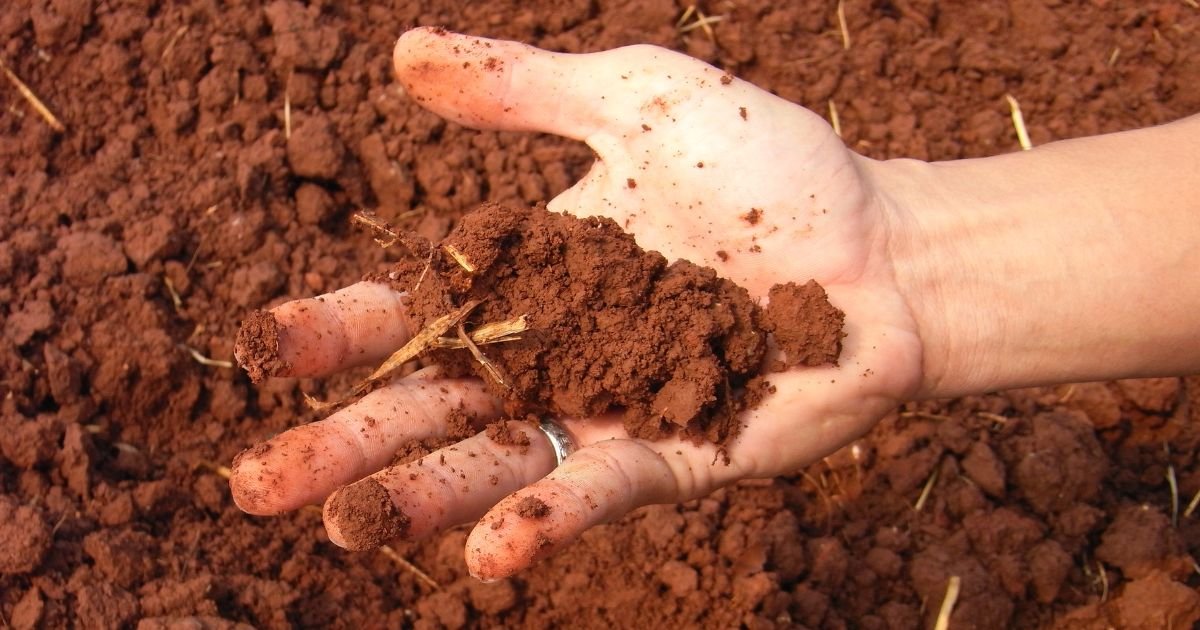
Clay soil is made of very fine particles. This gives it two opposite characteristics: it can become waterlogged after rain, yet turn hard and cracked during dry spells. In UK conditions, where wet winters and dry summer periods often alternate, irrigation for heavy clay soil needs careful planning.
The main problems are:
- slow water infiltration;
- surface pooling and runoff;
- compacted soil around roots;
- uneven watering between lawns, beds and borders;
- overwatering caused by short daily cycles.
This is why the best irrigation systems for UK clay soil are usually designed around slower watering, separate zones and accurate timing.
Is drip irrigation best for clay soil?
In most planted areas, drip irrigation for clay soil is one of the most effective options. A drip system delivers water slowly and close to the root zone, instead of spraying large amounts over the surface. This helps reduce runoff and gives heavy clay more time to absorb moisture.
A professionally designed drip irrigation system is especially useful for borders, hedges, shrubs, vegetable beds and newly planted areas. It can also be connected to smart controllers, so watering schedules respond better to weather and seasonal demand.
The key is not simply installing dripline, but setting it up correctly: lower flow, longer intervals, and watering only when the soil actually needs it.
What about lawns on clay soil?
For lawns, sprinklers may still be suitable, but they must be designed carefully. Clay lawns often struggle when sprinklers apply water faster than the soil can take it in. The result is runoff, puddling and wasted water.
A better lawn irrigation setup uses:
- matched sprinkler heads;
- lower precipitation rates;
- cycle-and-soak programming;
- separate zones for sunny and shaded areas;
- pressure regulation where needed.
If you are planning a new system, a proper irrigation system installation and design process can assess water pressure, lawn shape, planting areas and soil behaviour before any pipework is installed.
Practical watering principles for clay soil
So, what is the best irrigation system for clay soil? Usually, it is a mixed system: drip irrigation for beds and borders, carefully zoned sprinklers for lawns, and smart control for timing.
Follow these principles:
- Water slowly
Clay needs time. Low-intensity irrigation is better than fast, heavy watering. - Water less often, but deeper
Frequent short watering encourages shallow roots and surface wetness. - Use separate irrigation zones
Lawns, hedges, borders and shaded beds should not all run on the same schedule. - Avoid watering after heavy rain
Clay can stay wet below the surface even when the top looks dry. - Check pressure and flow rate
Too much pressure can make sprinklers mist or dripline perform unevenly.
When irrigation alone is not enough
Sometimes watering clay soil properly also means improving the soil itself. If water sits on the surface for hours, irrigation adjustments may not solve the whole problem.
Consider adding organic matter, mulching beds, aerating compacted lawns or improving drainage in low areas.
Final thoughts
The best irrigation method for clay soil is controlled, slow and tailored to the garden. For many UK gardens, that means drip irrigation in planted areas, carefully planned sprinklers for lawns and smart zoning across the whole system.
Need help choosing the right setup? Contact The Gardener’s Rain to request an irrigation design consultation and build a water-efficient system that works with your soil, not against it.
FAQ
What is the best irrigation system for clay soil?
Drip irrigation is often best for beds and borders, while lawns may need low-intensity sprinklers with cycle-and-soak programming.
How often should I water clay soil?
Less frequently than sandy soil. Clay holds moisture longer, so deeper, slower watering is usually better than daily short watering.
Can clay soil be overwatered?
Yes. Clay drains slowly, so overwatering can cause pooling, root stress and poor plant growth.
Is drip irrigation suitable for UK clay soil?
Yes, when designed correctly. It delivers water slowly at root level, which suits the slow absorption rate of heavy clay soil.