A smart irrigation controller in summer heat does more than increase watering time. It uses weather information, sensor readings and garden-specific settings to decide when each area needs water. During a UK heatwave, this can protect lawns and plants without automatically soaking every irrigation zone or wasting mains water.
How smart controllers detect hotter conditions
A weather-based irrigation controller may use local forecasts, recent rainfall, temperature, wind and estimated evapotranspiration – the amount of moisture lost from soil and plants.
The controller compares this information with the garden’s programmed settings. Depending on the system, it may then:
- increase watering duration during sustained dry weather;
- run selected zones more frequently;
- reduce or cancel watering after rainfall;
- divide one long cycle into shorter soak periods;
- leave shaded or moisture-retaining areas unchanged.
This seasonal adjustment irrigation process is more accurate than manually adding ten minutes to every station.
Why zones matter during a heatwave
Different garden areas respond differently to heat. A sunny lawn can dry rapidly, while a shaded border may remain moist. Pots, newly planted beds and shallow-rooted plants may require more frequent attention than established shrubs.
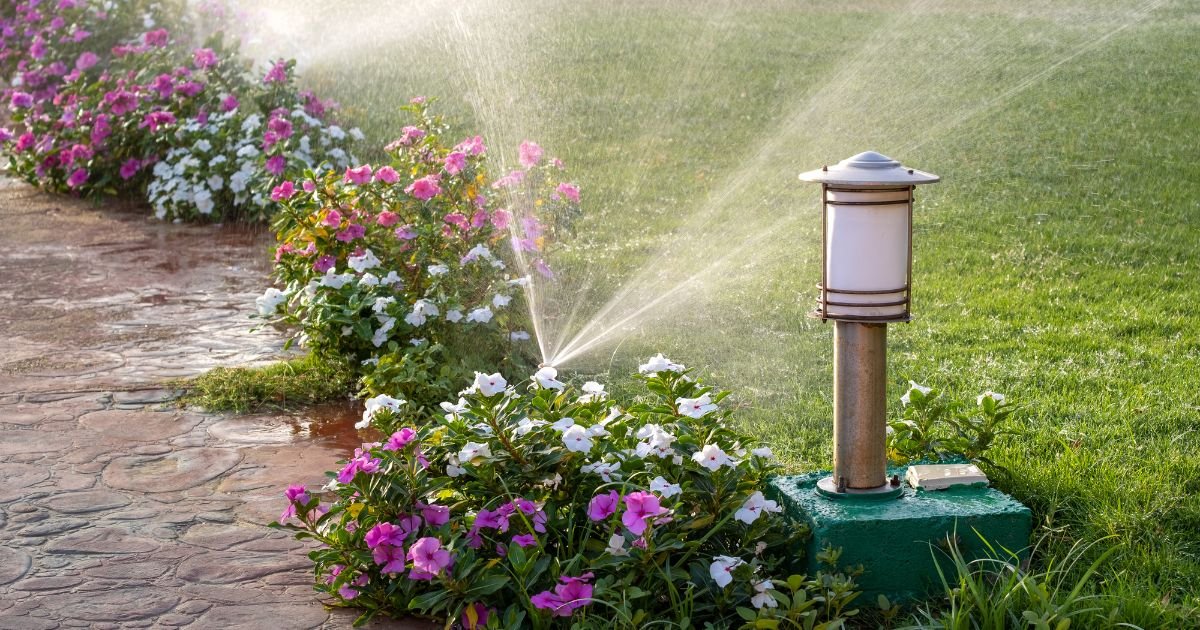
A well-configured smart watering system adjusts these areas separately. Understanding irrigation zones helps prevent a common mistake: overwatering one part of the garden while trying to rescue another.
Plant type, soil, sunlight, slope and irrigation method should all influence the summer irrigation schedule. Clay soil, for example, may benefit from shorter repeated cycles that allow water to soak in rather than run across the surface.
The role of soil moisture and rain data
With soil moisture sensor irrigation, the controller can check whether water is actually needed below the surface. Even on a hot day, it may postpone a cycle if the root zone still contains sufficient moisture.
Rain sensors and weather data can also stop automatic irrigation in hot weather after a summer shower. This is important because high temperatures do not always mean dry soil.
The result is water-saving irrigation based on conditions rather than assumptions.
UK heatwave irrigation checklist
Before or during a prolonged hot spell:
- check that sprinklers and drip lines are not blocked;
- inspect the garden for leaks, dry patches and runoff;
- water early in the morning where possible;
- confirm that each zone matches its current planting;
- check soil moisture instead of relying on surface appearance;
- review local water-use restrictions;
- avoid making extreme schedule changes after one hot afternoon.
Smart technology still needs correct setup. A damaged sprinkler, poorly designed zone or inaccurate plant setting cannot be fixed by weather data alone.
Should you upgrade your controller?
An existing automatic system can often be improved without replacing all the pipework. A controller upgrade may add remote programming, weather-responsive scheduling, sensor integration, flow monitoring or improved zone control.
Professional irrigation system upgrades and extensions can help ensure the controller, sensors and watering zones work together correctly.
FAQ
Does a smart controller always water more in hot weather?
No. It may increase watering in exposed zones while leaving shaded or moisture-retaining areas unchanged. It can also skip watering after rain.
Can a smart controller prevent overwatering?
It can significantly reduce the risk when correctly programmed and connected to suitable weather or soil sensors. Good zoning and regular system checks remain essential.
Is a soil moisture sensor necessary?
Not every system requires one, but it can provide valuable real-time information, particularly where soil types and exposure vary across the garden.
Smarter watering through the summer
A smart controller should not simply deliver more water whenever temperatures rise. It should respond zone by zone, balancing plant health with rainfall, soil moisture and water efficiency.
Request a professional irrigation survey or book a controller upgrade with The Gardener’s Rain to make your garden watering system more responsive during hot summer weather.