A robot lawn mower and irrigation system can work perfectly together – if they are planned as one automated lawn-care setup. For UK homeowners, combining a robotic lawn mower with a garden irrigation system can reduce routine maintenance while keeping the lawn evenly cut and watered. The key is coordinating cables, underground pipework, pop-up sprinkler positions and schedules from the start.
Can a robot lawn mower work with irrigation?
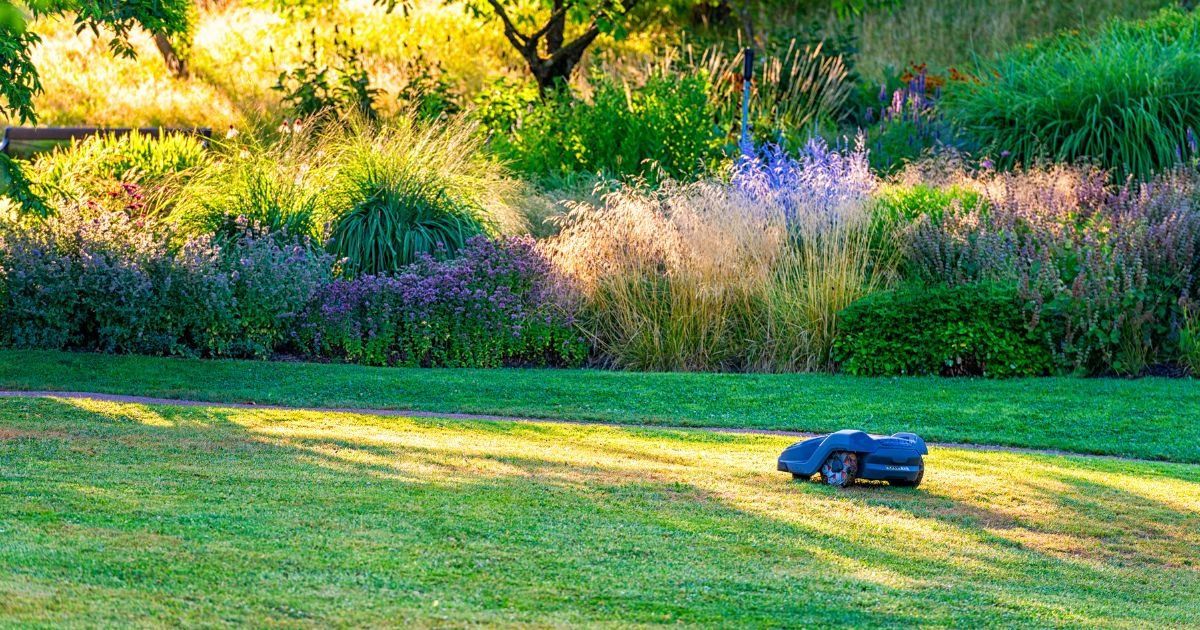
Yes. A robot lawn mower can operate above an underground lawn irrigation system. Pipework sits below the mowing area, while a pop up sprinkler system should retract to lawn level when inactive.
Problems usually come from poor planning: sprinkler heads sitting too high, cables damaged during trenching or mowing immediately after watering.
See our lawn irrigation and sprinkler systems for professionally planned lawn watering.
Coordinate boundary wire and irrigation pipework
If your robot lawn mower setup uses a boundary wire, plan its route alongside irrigation trenches. Record both layouts so future repairs do not accidentally cut a robot lawn mower boundary wire or irrigation pipe.
Wire-free models remove one potential conflict, but mapping underground irrigation is still valuable when maintenance is required.
Position pop-up sprinklers correctly
Sprinkler heads should retract fully and sit flush with the turf so the mower can pass safely. Their position must also provide effective, even watering coverage.
A professional irrigation system installation should therefore consider sprinkler throw, pipe routes, lawn edges and automated mowing equipment as one design.
Schedule watering and mowing separately
Do not run both systems at the same time. Water while the mower is parked, then allow the irrigation cycle to finish before mowing resumes. This reduces slipping and avoids sending the mower across very wet grass.
Smart technology can make this coordination easier. Systems such as the GARDENA smart system demonstrate how robotic mowing and automatic irrigation can be managed as complementary garden tasks.
Best practice for a new garden
When creating a new garden, design both systems before installation:
- plan irrigation zones, sprinklers and pipe routes;
- confirm the robot mower charging station and mowing zones;
- coordinate trenching and cable routes;
- record underground infrastructure;
- test sprinkler retraction and mower clearance.
As a practical installation sequence, underground irrigation is usually completed before the final robot mower installation, but the two systems should be designed together. This avoids repeat excavation and makes future servicing easier.
Two systems, one automated lawn
A robot lawn mower and irrigation system should complement rather than obstruct each other. With coordinated design, one maintains grass height while the other provides consistent watering – creating a genuinely low-maintenance lawn.
Planning a new garden irrigation system or upgrading your existing lawn irrigation? Contact The Gardener’s Rain for professional irrigation design and installation tailored to your garden and automation setup.
FAQ
Can a robot mower damage sprinkler heads?
It can if sprinkler heads sit too high. Correctly installed pop-up sprinklers retract into the lawn when inactive.
Can irrigation damage a robot mower boundary wire?
Normal watering should not, but digging during repairs or system extensions can cut the cable. Recording both underground layouts helps prevent this.
Which should be installed first?
Design both together. In a new garden, the underground irrigation infrastructure should generally be installed before completing the final robot mower setup and boundary layout.