Rain Sensors Explained starts with a simple idea: your irrigation system should not water the garden when rainfall has already done the job. A rain sensor helps an automatic watering system pause after rain, reducing wasted water and protecting lawns, borders and planting areas from overwatering.
For homeowners planning a new setup or improving an existing one, a rain sensor for irrigation system control can be a small upgrade with a big practical impact.
How does a rain sensor work?
A rain sensor is connected to the irrigation controller. When enough rain falls, the sensor sends a signal that temporarily stops the watering schedule. Once it dries out, the system can run again as normal.
Most irrigation rain sensor models use moisture-sensitive discs or a small rainfall detection mechanism. These react to water, trigger the switch, then reset as they dry. This is why correct placement is so important: the sensor must receive real rainfall, not sprinkler spray or water dripping from a roofline.
Rain sensors are adjustable to tailor their sensitivity to your garden. They can be triggered by less or more rain and reactivate the system sooner or later. It can help you to find the right settings depending on your soil conditions.
Main types of rain sensor
There are several types of rain sensor, and the right choice depends on the garden and the existing controller.
- Wired rain sensor: reliable and often ideal for new irrigation installations.
- Wireless rain sensor: useful when retrofitting, because no long cable run is needed.
- Rain and freeze sensor: adds extra protection in colder conditions.
- Smart weather-based control: combines sensor input with local weather data for more advanced watering decisions.
If you are planning a full system, professional irrigation system installation and design can help match the right sensor, controller and watering zones.
Do rain sensors really work?
Yes, rain sensors really work when they are installed and set correctly. When people think they “do not work”, the cause is often poor positioning or incorrect setup.
Common problems include placing the sensor:
- under trees or roof overhangs,
- too close to sprinkler spray,
- somewhere too sheltered from rain,
- in a location with poor wireless signal,
- with controller settings that override the sensor.
A good automatic watering rain sensor should be exposed to natural rainfall while staying outside the sprinkler coverage area.
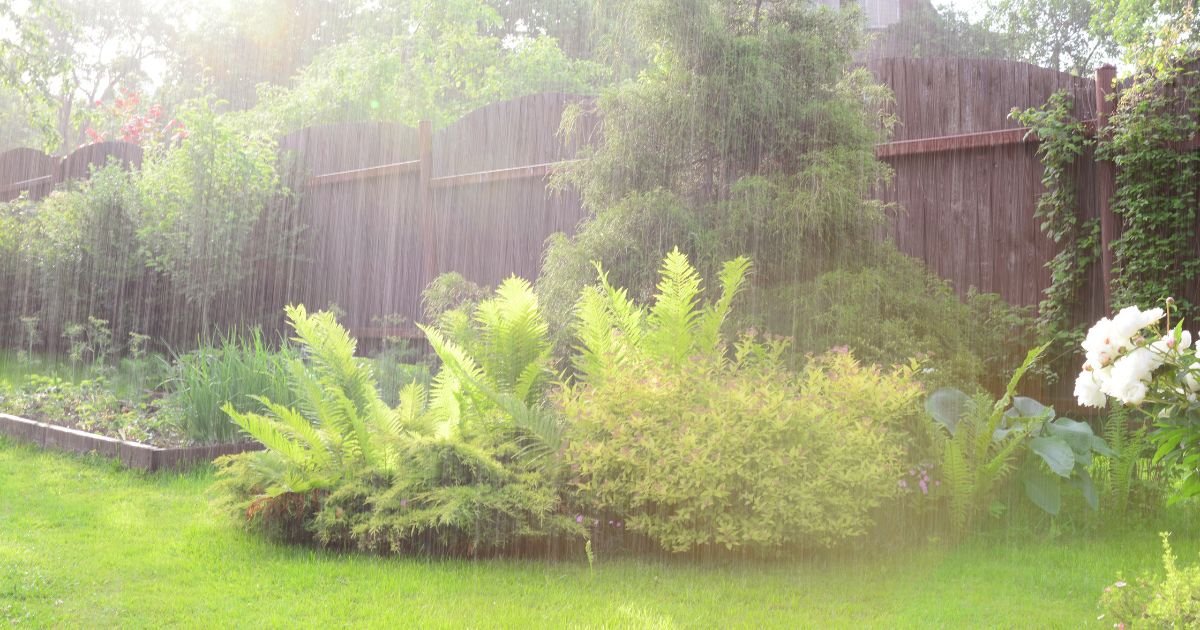
Why rain sensors are useful
A rain sensor is especially helpful in changeable weather. Your irrigation system may be scheduled to water early in the morning, even after heavy rain overnight. Without a sensor, that water is wasted.
Used correctly, a rain sensor can:
- reduce unnecessary water use,
- prevent overwatering,
- protect plant roots from sitting in wet soil,
- improve irrigation efficiency,
- make garden care easier when you are away.
Weather-based irrigation and correctly installed rain sensors can support more efficient outdoor water use.
Rain sensor or smart controller?
A rain sensor is a simple safeguard. A smart controller offers more advanced adjustment based on weather, season and site conditions, however they work on weather forecasts which may not be as accurate as a local sensor. In many gardens, the best result comes from combining good irrigation design, smart controller, suitable sensors and regular servicing.
If your system waters at the wrong time, skips watering unexpectedly or does not respond to rainfall, an irrigation maintenance check can identify the issue.
Summary
A rain sensor is a practical addition to a modern garden irrigation system. It helps save water, reduces overwatering and gives homeowners more confidence in automatic watering.
If you are installing, upgrading or troubleshooting an irrigation system, contact The Gardener’s Rain through the contact page to request advice or a quote.
FAQ
What does a rain sensor do?
It pauses an automatic irrigation system when enough rain has fallen.
Is a wireless rain sensor reliable?
Yes, if it is compatible with the controller and installed within good signal range.
Where should a rain sensor be placed?
In an open outdoor position where it can receive natural rainfall, away from rooflines, trees and sprinkler spray.
Can a rain sensor save water?
Yes. It prevents unnecessary watering after rainfall and helps the system run more efficiently.
Why is my rain sensor not working?
The most common causes are poor placement, incorrect wiring, low wireless signal or controller settings that bypass the sensor.