

Why is my irrigation system not working
If your sprinklers won’t turn on, zones are weak, or you’re seeing wet patches in the yard, you’re not alone. This guide helps homeowners quickly narrow down the usual culprits: pressure problems, closed valves, controller issues, or hidden leaks. In many cases, the answer is simple: water isn’t reaching the heads with the right pressure, or it’s escaping somewhere first.
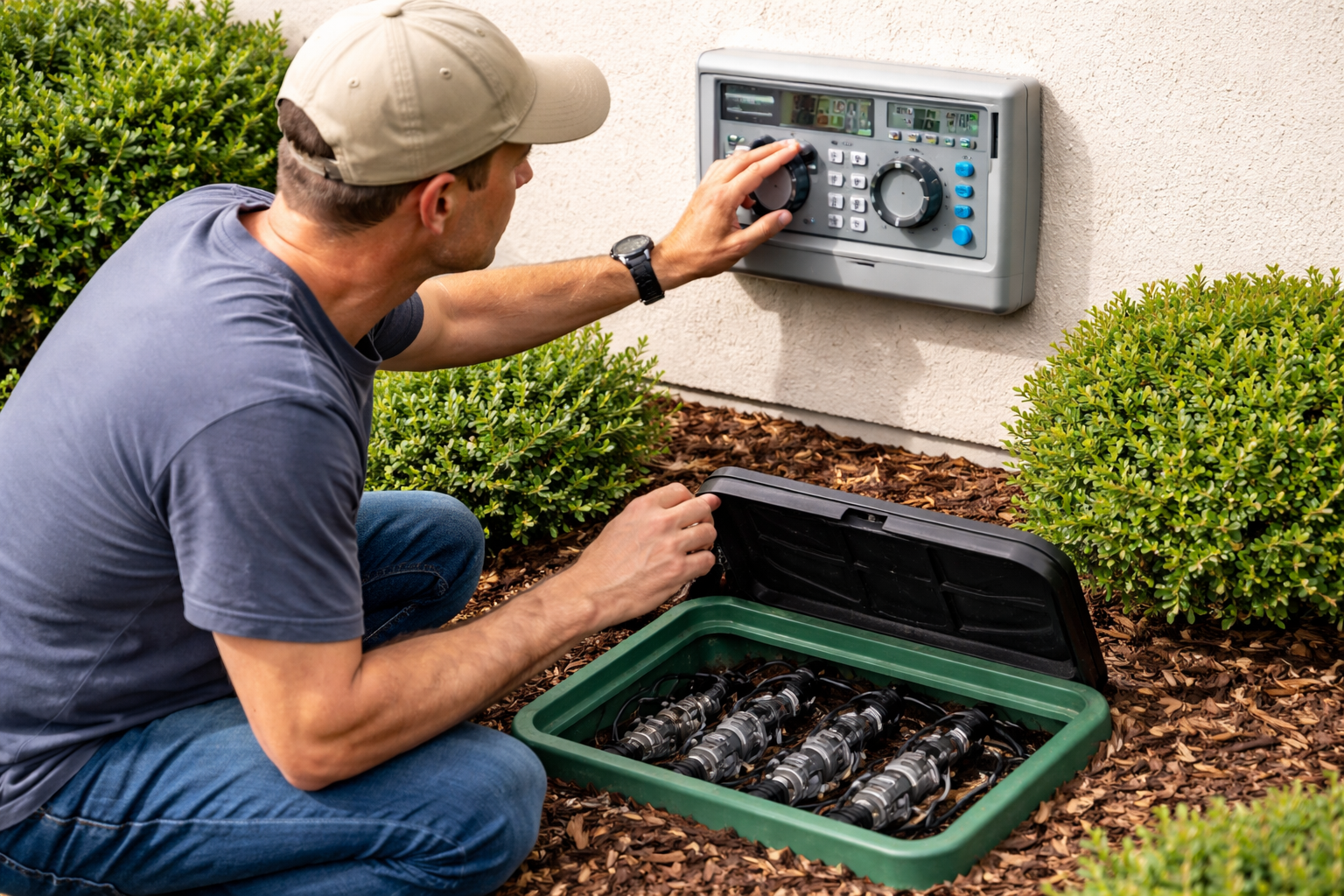
How much pressure does an irrigation system need
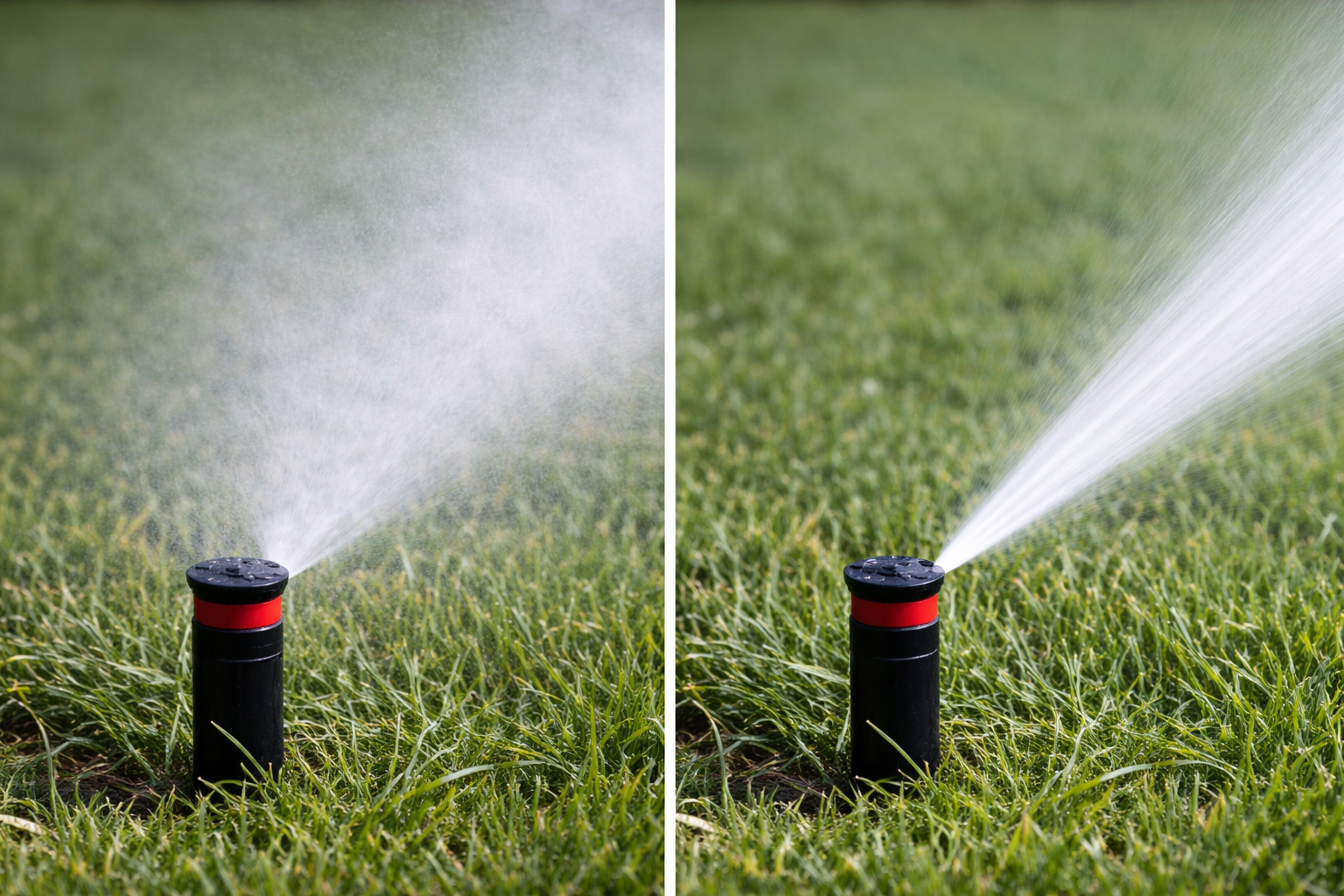
Most residential systems run best when the pressure at the sprinklers is steady and within the range recommended for your heads. If pressure is too low, coverage shrinks and rotors may not rotate. If it’s too high, you can get misting, noisy pipes, and extra wear. A quick starting point: check your sprinkler head model, then compare it to your measured pressure at a hose bib or test point.
Also, people search for how much pressure for irrigation system because the “right” number depends on head type and how many zones run at once.
How to increase pressure on irrigation system
Before trying upgrades, remove the easy bottlenecks:
- Open the main shutoff and backflow valves fully (a partially closed valve is a classic).
- Clean clogged filters/nozzles and flush a zone for debris.
- Reduce demand: run fewer heads per zone if you’re overloading it.
If the supply pressure is low at the source, a technician can recommend zoning changes or pressure solutions. If you need hands-on help, see our Services page.
Can irrigation system leak if turned off
Yes. A system can still leak when turned off if a valve doesn’t close fully, a check valve fails, or a pipe has a crack that seeps slowly. Watch for these signs even when the controller is idle:
Constant soggy spots, a slowly dropping pressure gauge, or water in a valve box.
How to find a leak in an irrigation system
Start with a simple process:
- Turn the system off and note the water meter (if available).
- Wait 20 to 30 minutes without using water anywhere in the property (including washing machine, etc.).
- If the meter moves, you likely have a leak.
- Run zones one by one and look for gushing heads, bubbling soil, or hissing.
For persistent issues, leak detection tools can pinpoint problems faster. You can also review basic water pressure concepts here.
How to fix irrigation system
If you’ve found the cause, match the fix to the symptom:
- One dead zone: check solenoid wiring, swap solenoids, inspect the diaphragm in the valve.
- Weak coverage: clean nozzles, adjust heads, remove clogs, confirm valve is fully open.
- Wet patch or sinkhole: repair the cracked pipe section and re-pack soil properly.
- Dripping heads after shutdown: service the zone valve or add/replace check valves.
If you want us to diagnose it on-site, use the Contact page and tell us what you’ve observed.
Next step: If your troubleshooting points to low pressure or a hidden leak, don’t keep running the system “hoping it clears.” A quick inspection now can prevent bigger repairs later.