

Overwatering can be just as harmful as underwatering. In the UK, with its frequent rainfall, high humidity and changeable weather, gardens are particularly prone to excess moisture building up in the soil. That’s why it’s essential to recognise the signs of overwatering – whether you’re caring for potted plants, garden perennials, or lawn.
Common Signs of Overwatering Plants
One of the challenges is that overwatered plants often look similar to thirsty ones. As a result, many gardeners mistakenly add even more water, making the problem worse. Look out for these key symptoms:
- Yellowing leaves that feel soft or waterlogged
- Wilting despite the soil being damp
- Soft, weakened stems that snap easily
- Root rot accompanied by an unpleasant smell
- Mould or algae forming on the soil surface
The soil of an overwatered plant is typically cold, wet and poorly aerated. If you press your finger 2-3 cm into the compost and it still feels consistently damp, the plant is likely receiving too much water.
How Can You Tell If a Plant is Overwatered
To distinguish overwatering from underwatering, try the following checks:
- Check soil moisture: If the soil remains constantly wet or muddy, you’re probably overwatering.
- Smell the soil: Rotting roots produce a distinctive musty odour.
- Look for standing water: Water sitting in the saucer beneath a pot is a clear warning sign.
- Consider soil type: Heavy clay soils, which are common in many parts of the UK, drain slowly and are more prone to waterlogging.
Signs of an Overwatered Lawn
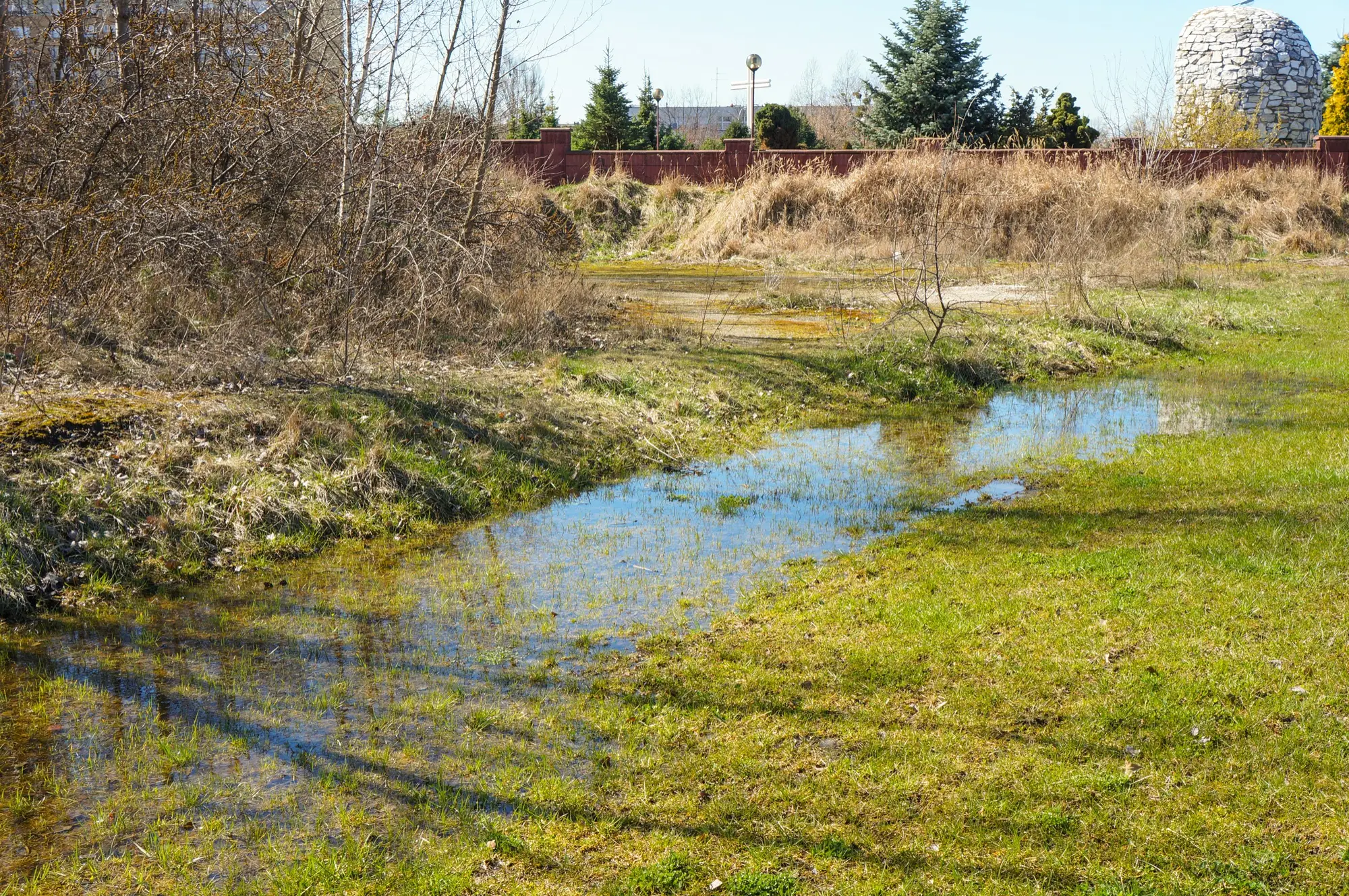
Lawns are especially sensitive to excess moisture, particularly in the UK’s damp climate. Common indicators include:
- Soft, spongy ground that sinks underfoot
- Yellowing or brown patches that don’t improve with watering
- Fungal growth, moss or white mould patches
- Puddles or standing water after even light watering
- Shallow, weak roots that lift easily from the soil
An overwatered lawn often appears as though it is “suffocating”, as the roots are deprived of oxygen.
Why Is Overwatering Harmful?
Excess water pushes oxygen out of the soil, preventing roots from breathing properly. This can lead to root rot, fungal diseases and nutrient deficiencies. Plants and lawns become weakened, more susceptible to pests and diseases, and much slower to recover.
Persistently damp conditions also create an ideal environment for pests such as slugs and fungus gnats.
How to Prevent Overwatering
Prevention starts with regularly checking your soil and paying close attention to the weather. Watering should always be adjusted according to soil moisture levels rather than sticking rigidly to a schedule.
Automatic irrigation systems offer a significant advantage, as they allow precise control over water distribution and help minimise the risk of overwatering.
When Should You Seek Professional Advice?
If your lawn remains patchy, unhealthy or fails to thrive, or if your plants regularly decline despite your efforts, it may be time to consult a specialist. A properly designed and calibrated irrigation system not only protects your garden from overwatering but also saves time and water in the long term.
If you’d like to automate your lawn watering or explore which irrigation solutions would work best for your garden, feel free to get in touch with us.